A Comprehensive Guide to PROFINET IO: Everything You Need to Know About Theory, Topologies, and Practical Applications
PROFINET IO is an automation standard based on Industrial Ethernet that has become the cornerstone of modern industrial automation. It bridges the IT world with industrial demands, offering unmatched performance and reliability in production environments. Below, you’ll find a comprehensive guide explaining what PROFINET is, its benefits, and how to implement it in practice.
What Is PROFINET? PROFINET Explained in Simple Terms
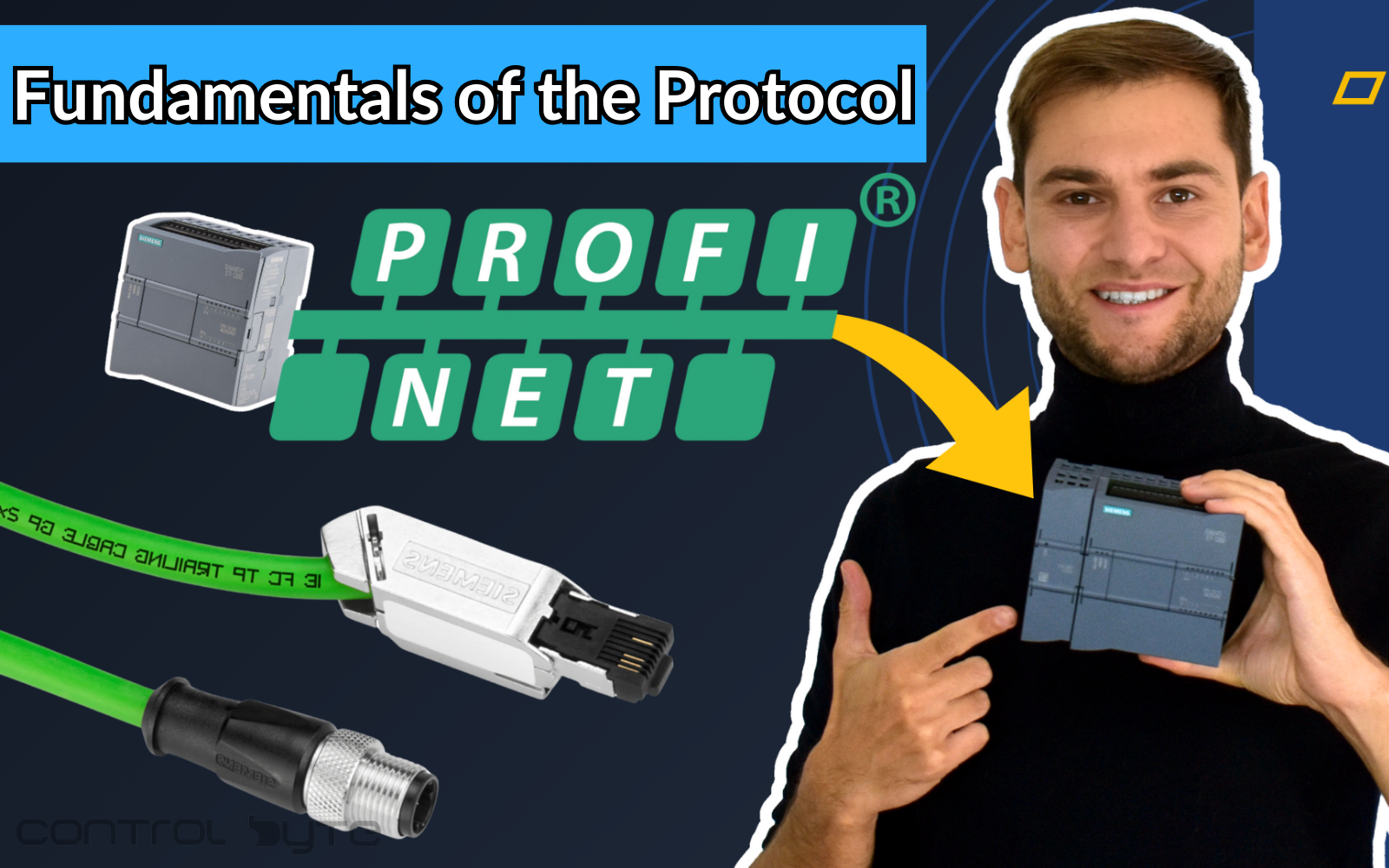
PROFINET (Process Field Network) is an open industrial Ethernet standard for data exchange between controllers and devices in automation systems. It is developed and maintained by PROFIBUS & PROFINET International (PI) and standardized in IEC 61158 and IEC 61784. Siemens was one of the main drivers behind PROFINET, so it is the native network of SIMATIC S7-1200 and S7-1500 PLCs, but hundreds of manufacturers offer PROFINET devices. Today it is one of the leading industrial Ethernet protocols worldwide, together with EtherNet/IP.
A PROFINET IO system has three roles:
- IO controller - usually a PLC that runs the control program and exchanges cyclic IO data with the devices.
- IO device - a field device such as remote I/O, a drive, a valve terminal or a sensor, described by a GSDML file.
- IO supervisor - an engineering tool, HMI or diagnostic PC used for commissioning and diagnostics.
Every PROFINET device is identified by a device name. The IO controller uses the DCP protocol to find the device by its name and assign the IP address configured in the project. This is why replacing a broken device is simple: the new device gets the same name and the controller configures it automatically.
Does PROFINET Use TCP/IP?
Partly. Cyclic real-time (RT) data is sent directly in Ethernet frames (EtherType 0x8892) without TCP/IP, which keeps the cycle time short and deterministic. Configuration, parameter data, diagnostics and other non-time-critical communication use standard UDP/IP and TCP/IP. Because RT frames are not IP packets, PROFINET IO cannot be routed: the IO controller and its IO devices must be in the same subnet.
PROFIBUS and PROFINET: What Is the Difference?
PROFINET is often described as the successor of PROFIBUS DP, but the two technologies work in a different way:
| Feature | PROFIBUS DP | PROFINET IO |
|---|---|---|
| Physical layer | RS-485 serial bus | Industrial Ethernet (100 Mbit/s, full duplex) |
| Speed | Up to 12 Mbit/s | 100 Mbit/s and more |
| Topology | Line with terminating resistors | Line, star, tree and ring |
| Addressing | Station address set on the device | Device name plus IP address |
| Device description | GSD file | GSDML file |
| IT integration | Requires gateways | Standard TCP/IP traffic on the same network |
Both standards come from the same organization, so the device model is similar, and PROFIBUS networks can be connected to PROFINET through proxies (gateways). This makes migration easier in plants with a large installed base.
PROFINET IO - What Is It, and Why Is It Revolutionary in Industrial Automation?
PROFINET IO was developed as a logical evolution of PROFIBUS DP technology, bringing Ethernet to industrial environments. Its main objectives include:
IT Integration: Enabling collaboration with management and data analytics systems.
Real-Time Operation: Supporting deterministic industrial applications.
Interference Resistance: Adapting to harsh working conditions such as electromagnetic interference and humidity.
With PROFINET, automation devices can interact with IT systems, enabling more efficient production management.
PROFINET Explained: How the Interface Revolutionizes Industrial Communication
In the fast-evolving world of industrial automation, PROFINET stands out as a game-changer in enabling seamless and efficient communication across devices. Designed to integrate industrial equipment with IT systems, this Ethernet-based protocol simplifies complex processes while ensuring real-time data exchange.
The PROFINET interface allows for flexible system configurations, providing manufacturers with the ability to design scalable and robust networks. By leveraging its capabilities, industries can achieve enhanced synchronization, streamlined diagnostics, and improved reliability - even in the most demanding environments.
From reducing downtime to fostering interoperability between devices from different manufacturers, the PROFINET interface offers a powerful solution for the challenges of Industry 4.0. Whether you’re upgrading an existing system or building a new network from scratch, understanding PROFINET's fundamentals is key to unlocking its full potential in industrial communication.
Why Is Standard Ethernet Insufficient for Industrial Environments?
Office Ethernet, despite its popularity, does not meet the demands of production environments. Key limitations include:
Lack of Determinism: Office Ethernet cannot guarantee stable response times, which are critical in motion control.
Insufficient Durability: High temperatures, humidity, and electromagnetic interference are challenges office Ethernet cannot withstand.
Complex Integration: Connecting IT systems to automation previously required complicated gateways and converters.
The solution to these problems is Industrial Ethernet, with PROFINET as a flagship example.
Key Features of PROFINET IO That Make It a Leader in Industrial Automation
Real-Time Communication
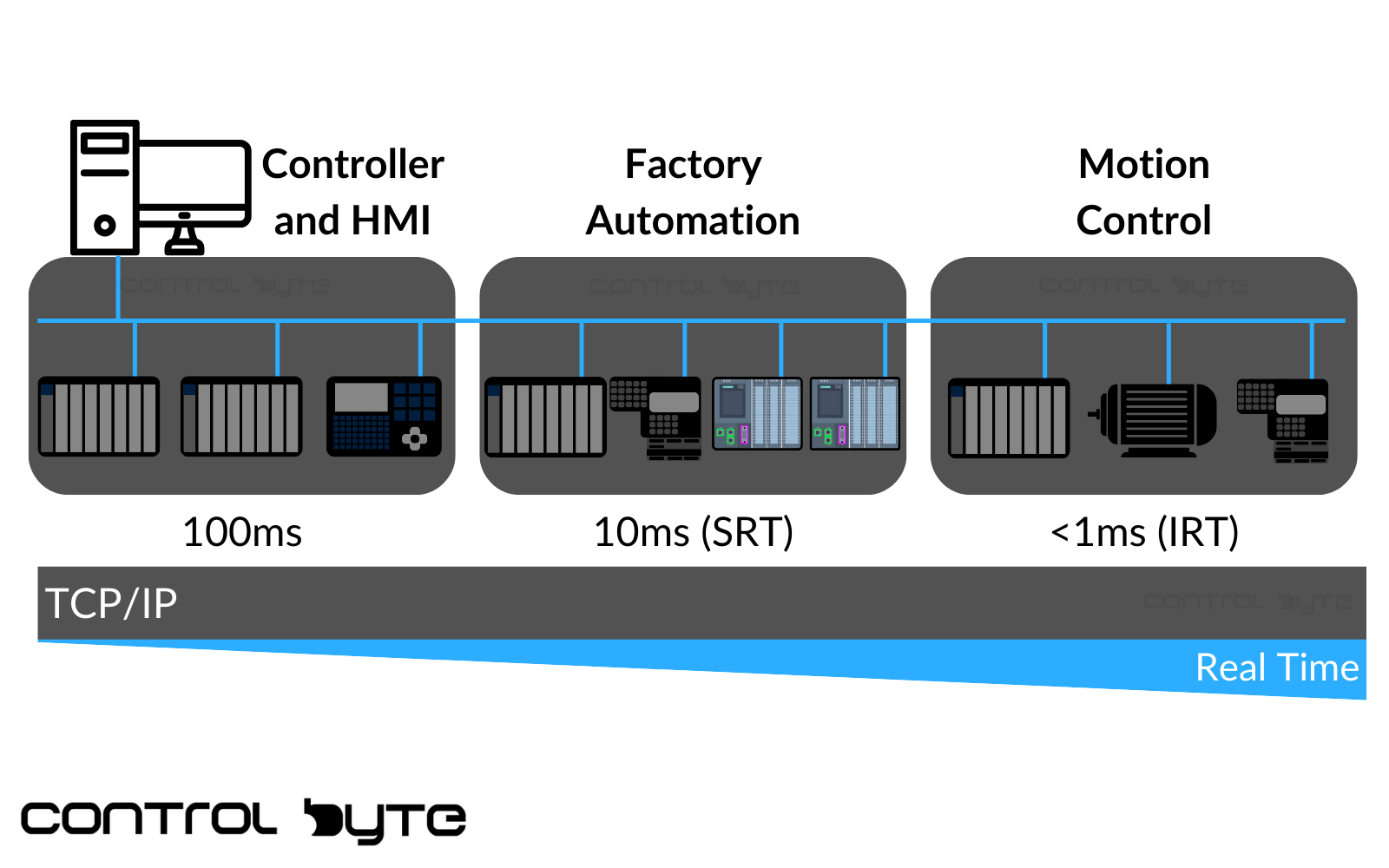
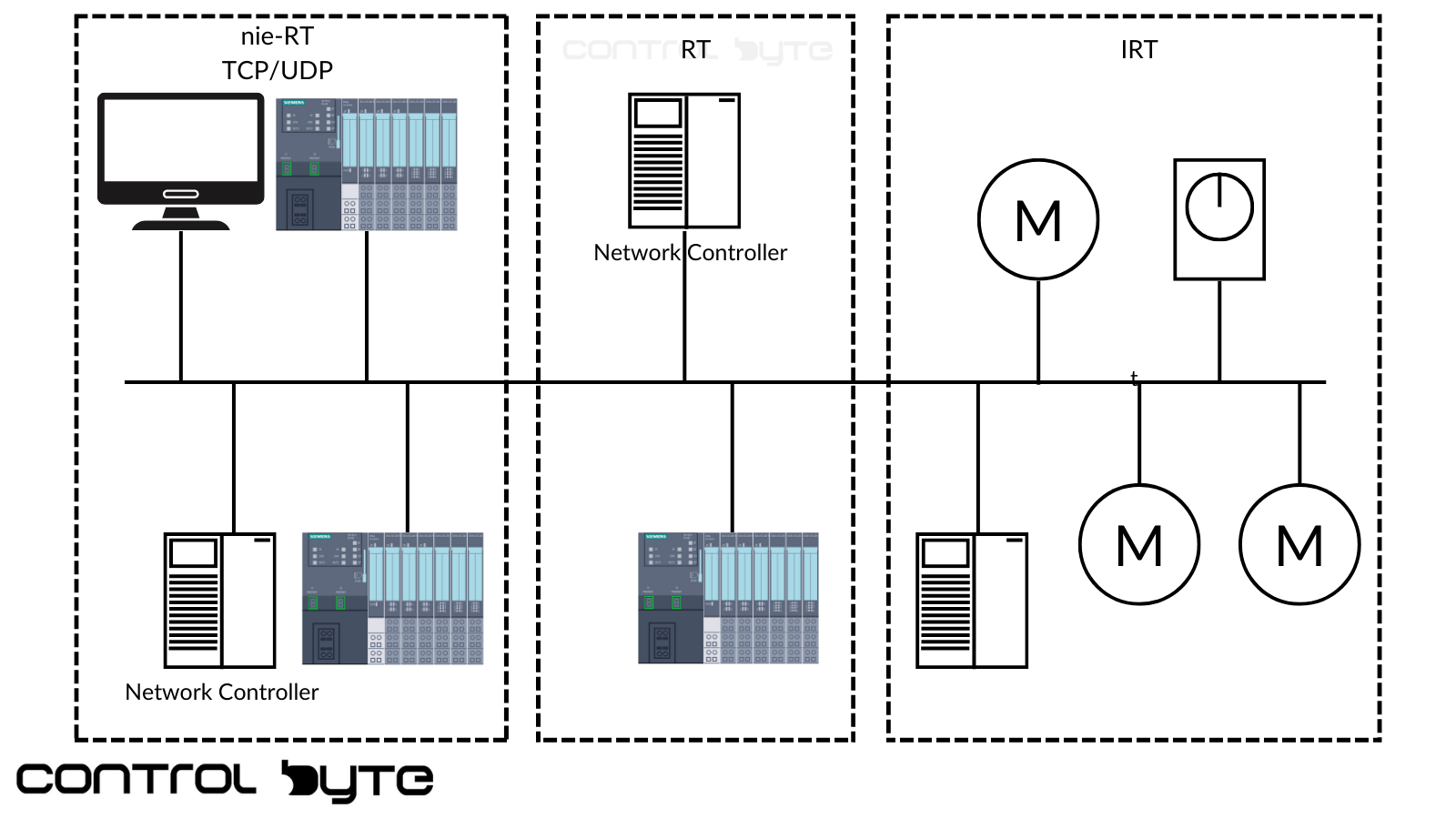
PROFINET IO supports three communication modes:
- TCP/IP: For non-deterministic functions such as reporting and management.
- Real-Time (RT): Deterministic data transfer with a refresh rate of 1-10 ms.
- Isochronous Real-Time (IRT): Microsecond-level synchronization, ideal for motion control and robotics.
Interference Resistance
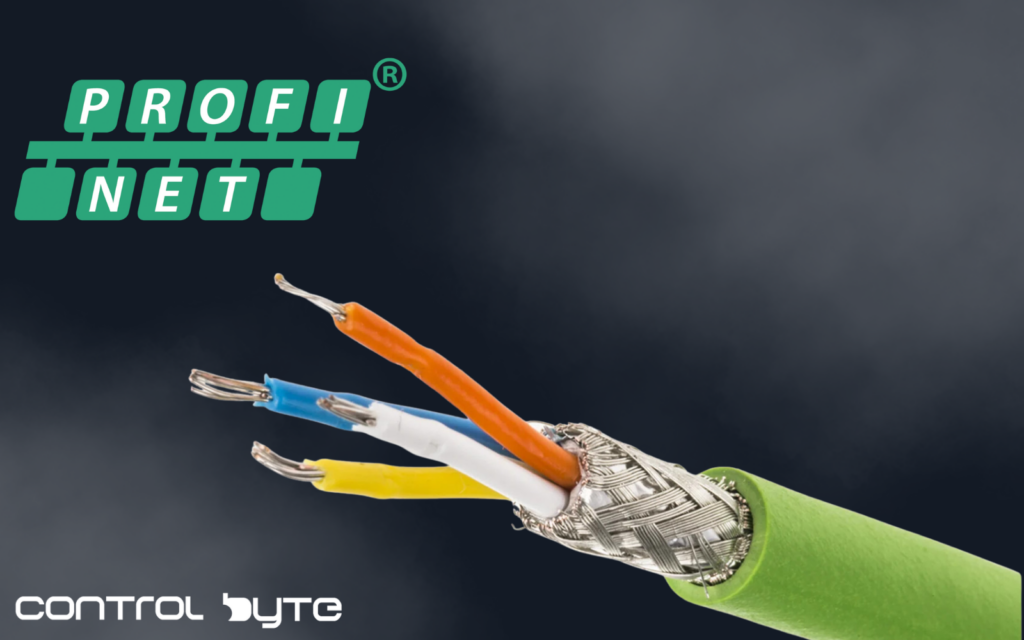
Shielding and grounding of PROFINET cables eliminate electromagnetic interference, ensuring stability and reliability in harsh conditions.
Compatibility with Ethernet
PROFINET operates alongside office Ethernet on the same infrastructure, allowing seamless IT and OT integration.
PROFINET Network Topologies: How to Design a Network for Your Plant
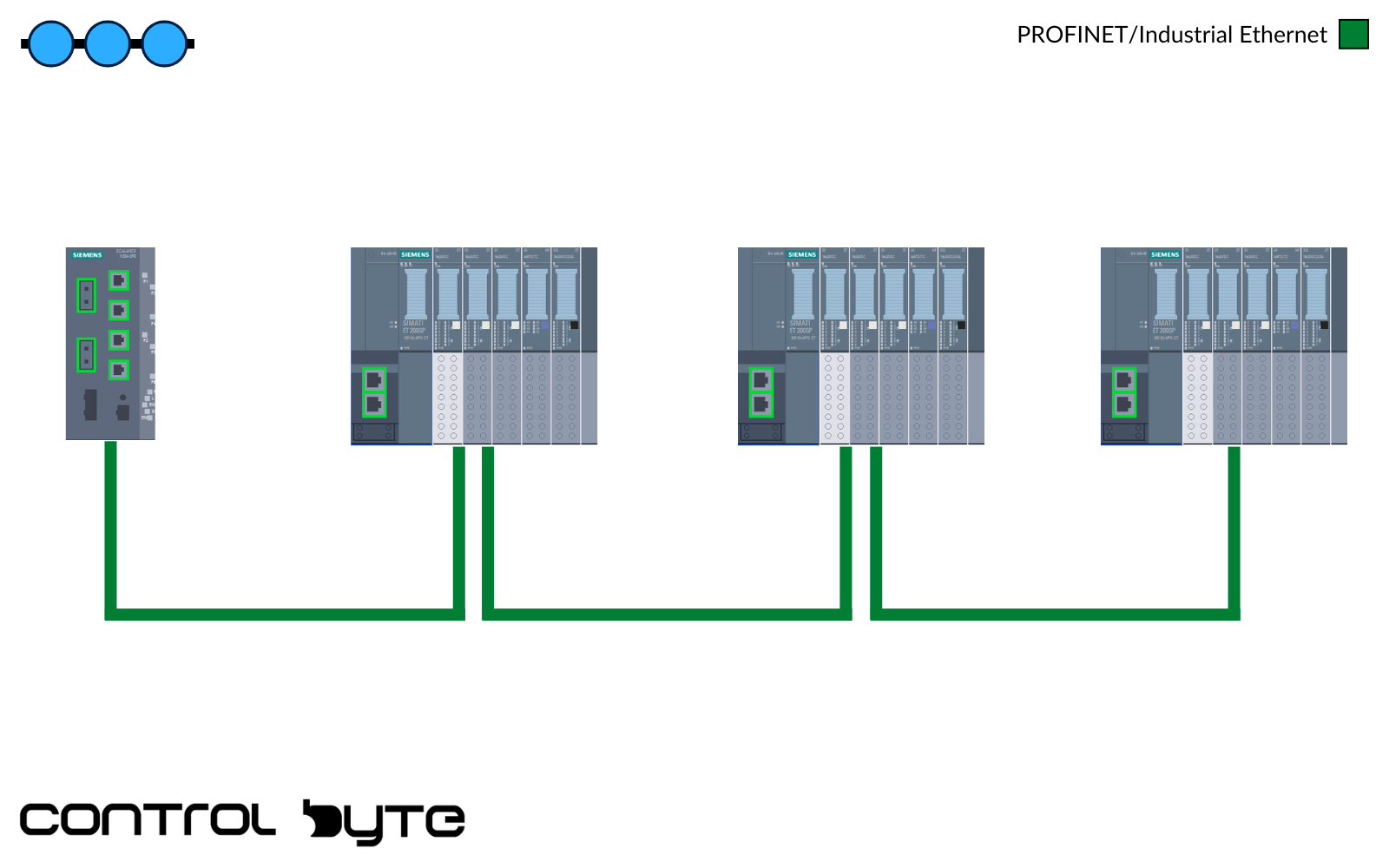
Linear Topology
The simplest solution requiring minimal cabling but susceptible to outages if one device fails.
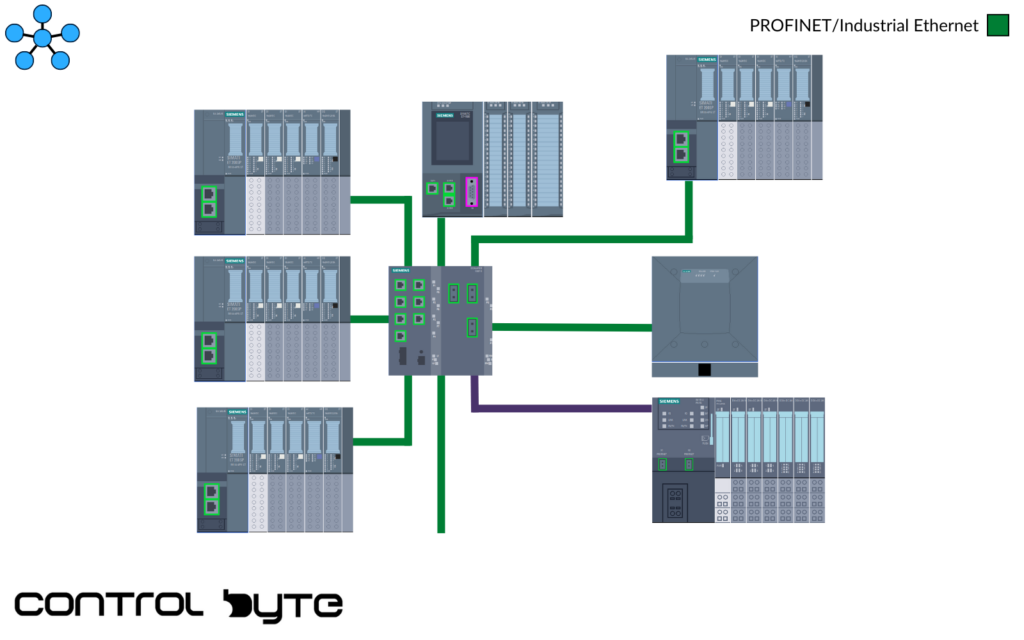
Star
Devices connect to a central switch, offering greater reliability than linear setups.
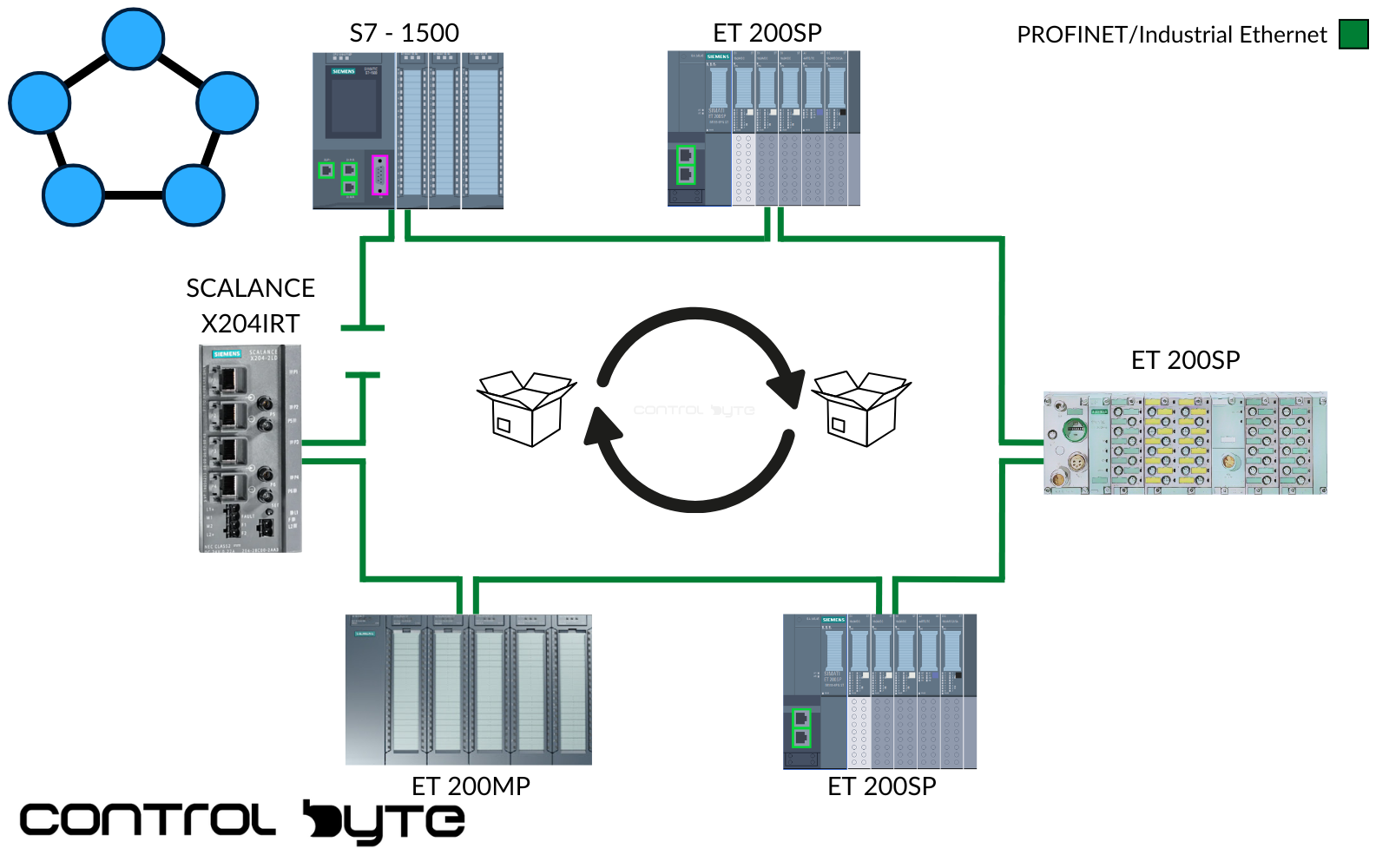
Ring
Provides the highest reliability through redundancy mechanisms. In case of a single connection failure, data is rerouted.
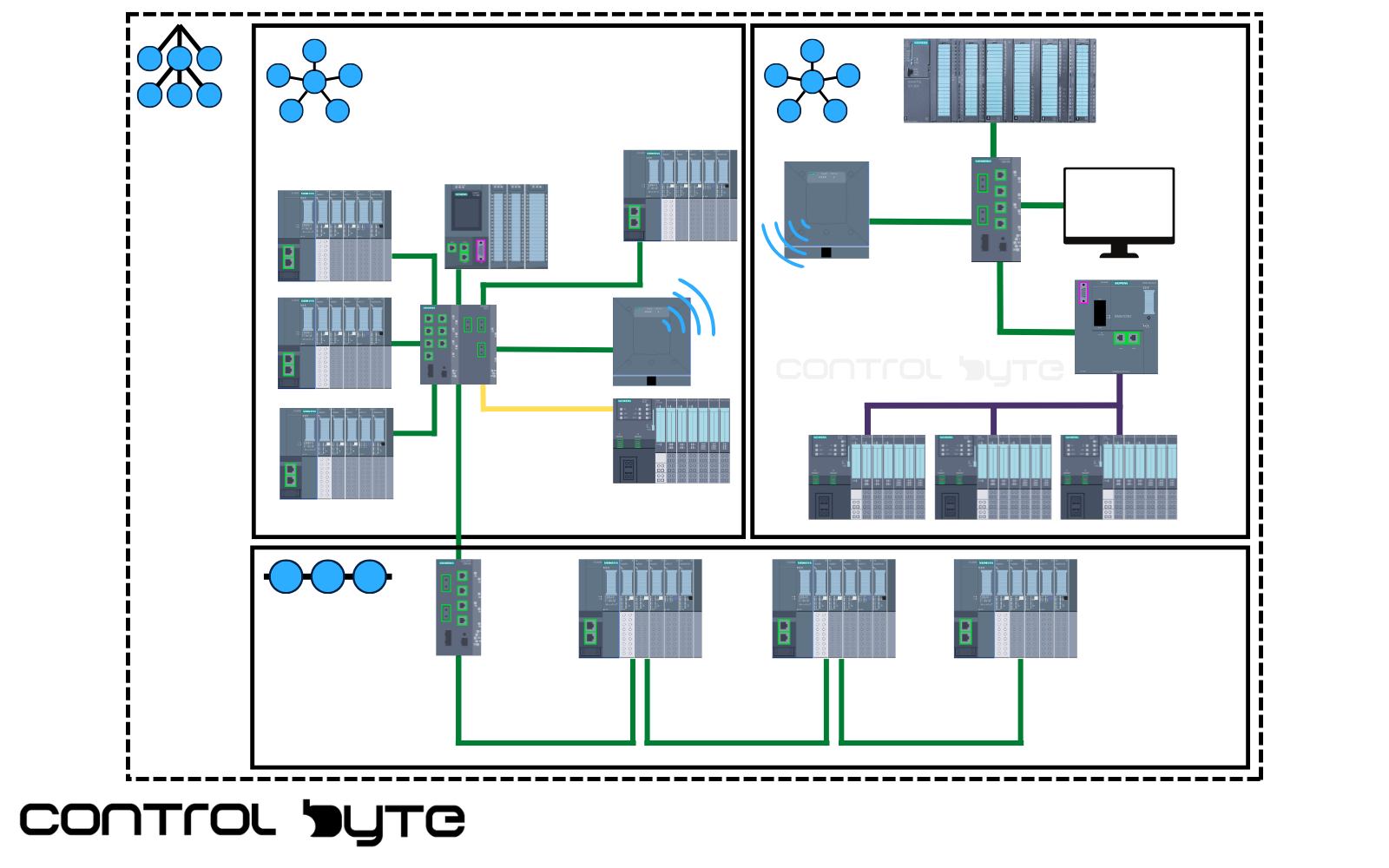
Tree
Combines multiple stars into a hierarchical structure, ideal for large networks.
Installation Tips: How to Build a Reliable PROFINET IO Infrastructure
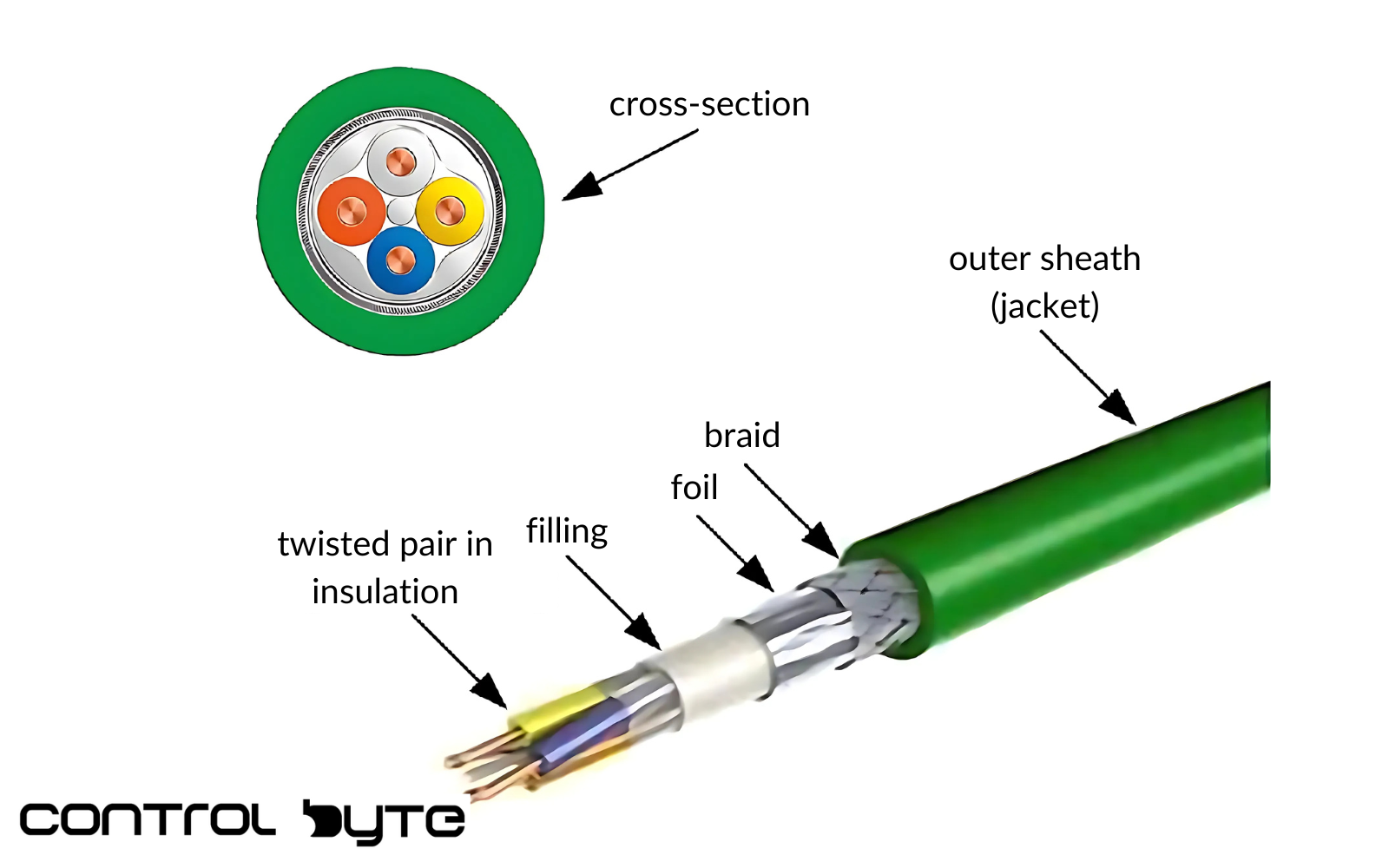
Cable Selection
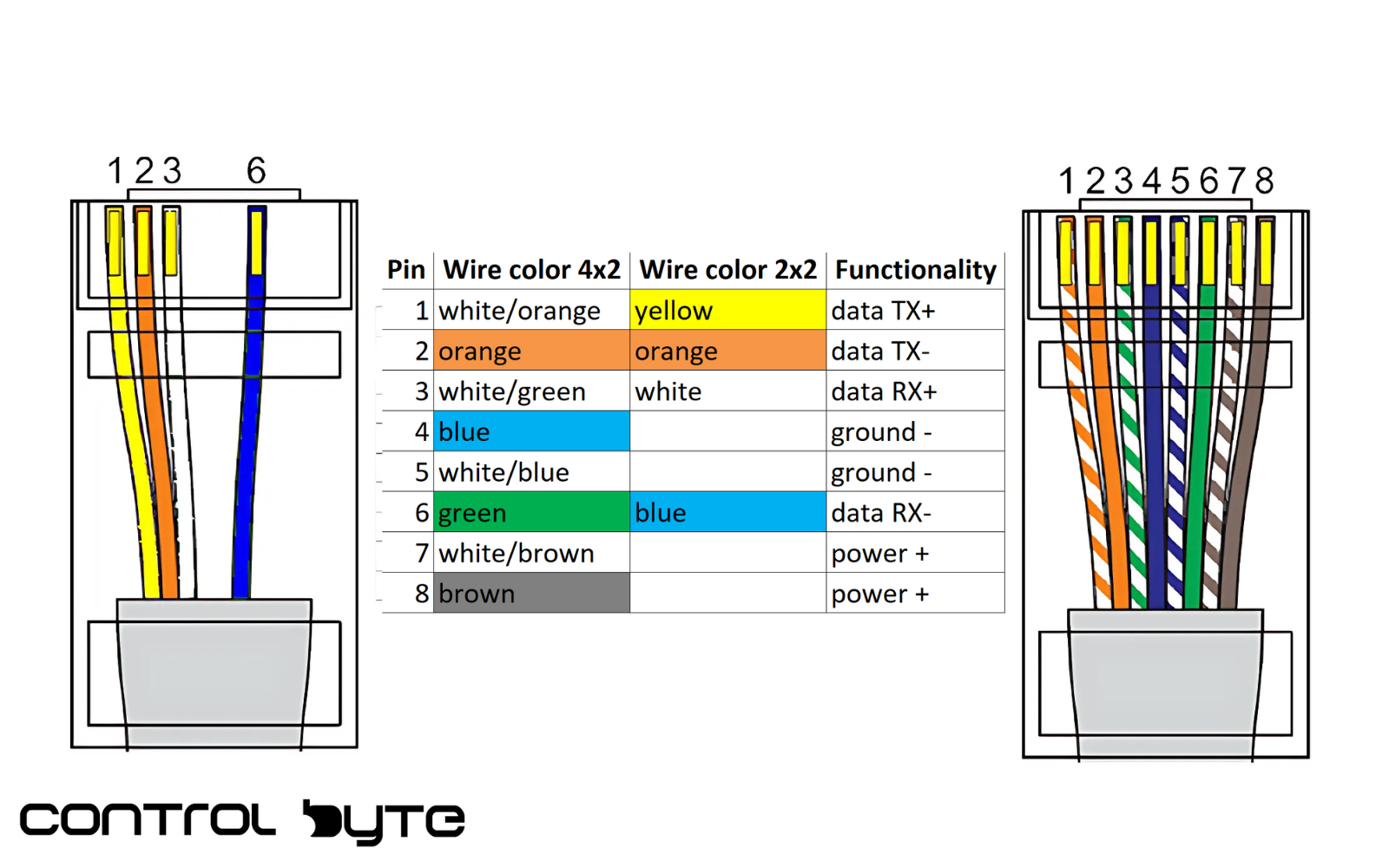
- Copper Cables (CAT5): For standard applications.
- Fiber Optics: For environments with high electromagnetic interference.
Installation Guidelines
- Keep each copper segment within 100 m and keep the number of plug connections in a channel low, as specified in the PROFINET installation guideline, to avoid signal attenuation.
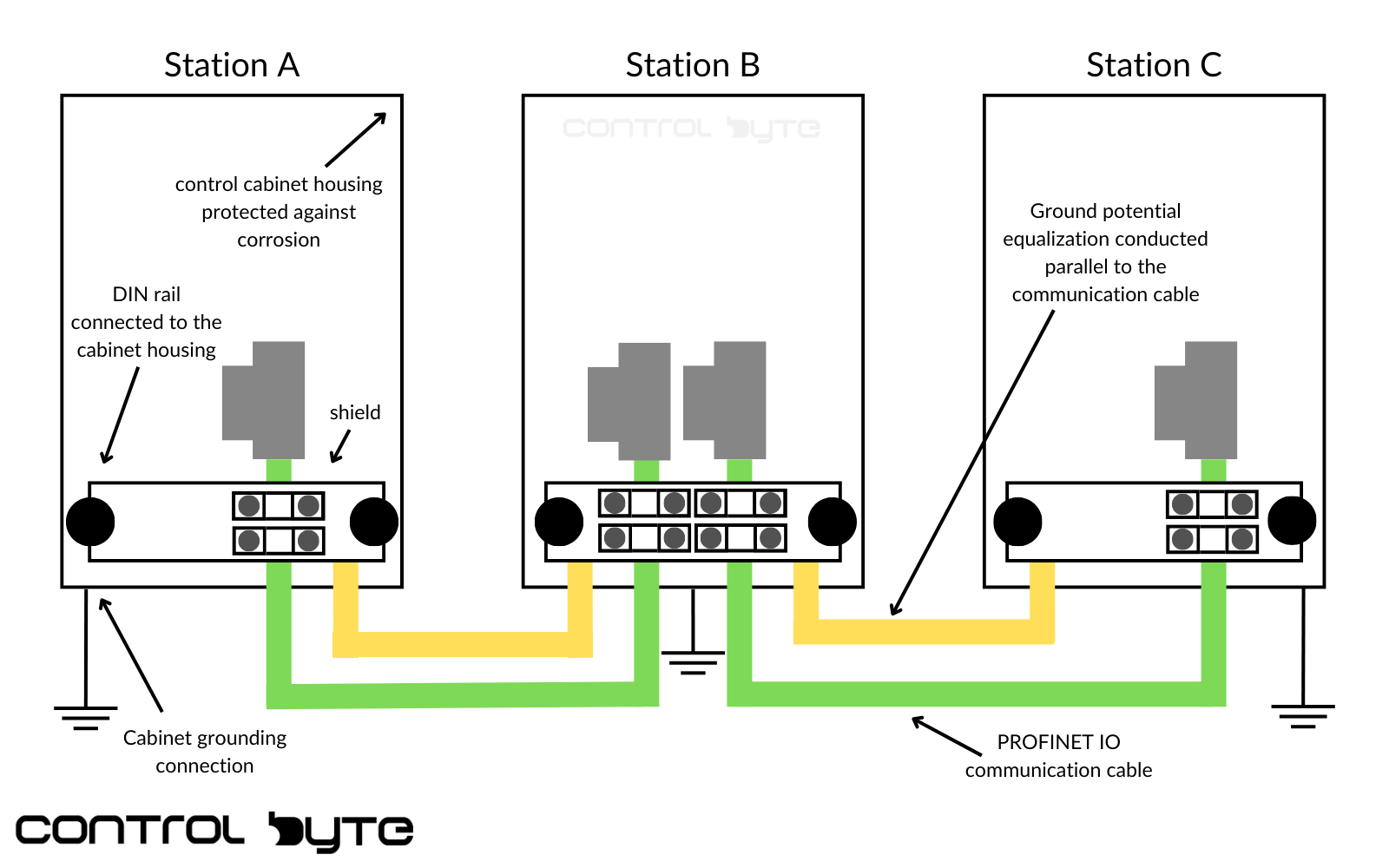
- Ground cables at both ends.
- Use shielded connectors in harsh conditions.
Compliance Classes
- Class A: Basic PROFINET RT communication for simple applications; standard Ethernet infrastructure can be used.
- Class B: Adds network management and diagnostics (SNMP, topology detection with LLDP), typical for most factory applications.
- Class C: Adds IRT with bandwidth reservation and clock synchronization for demanding motion control applications.
Diagnostic Tools and Network Management in PROFINET
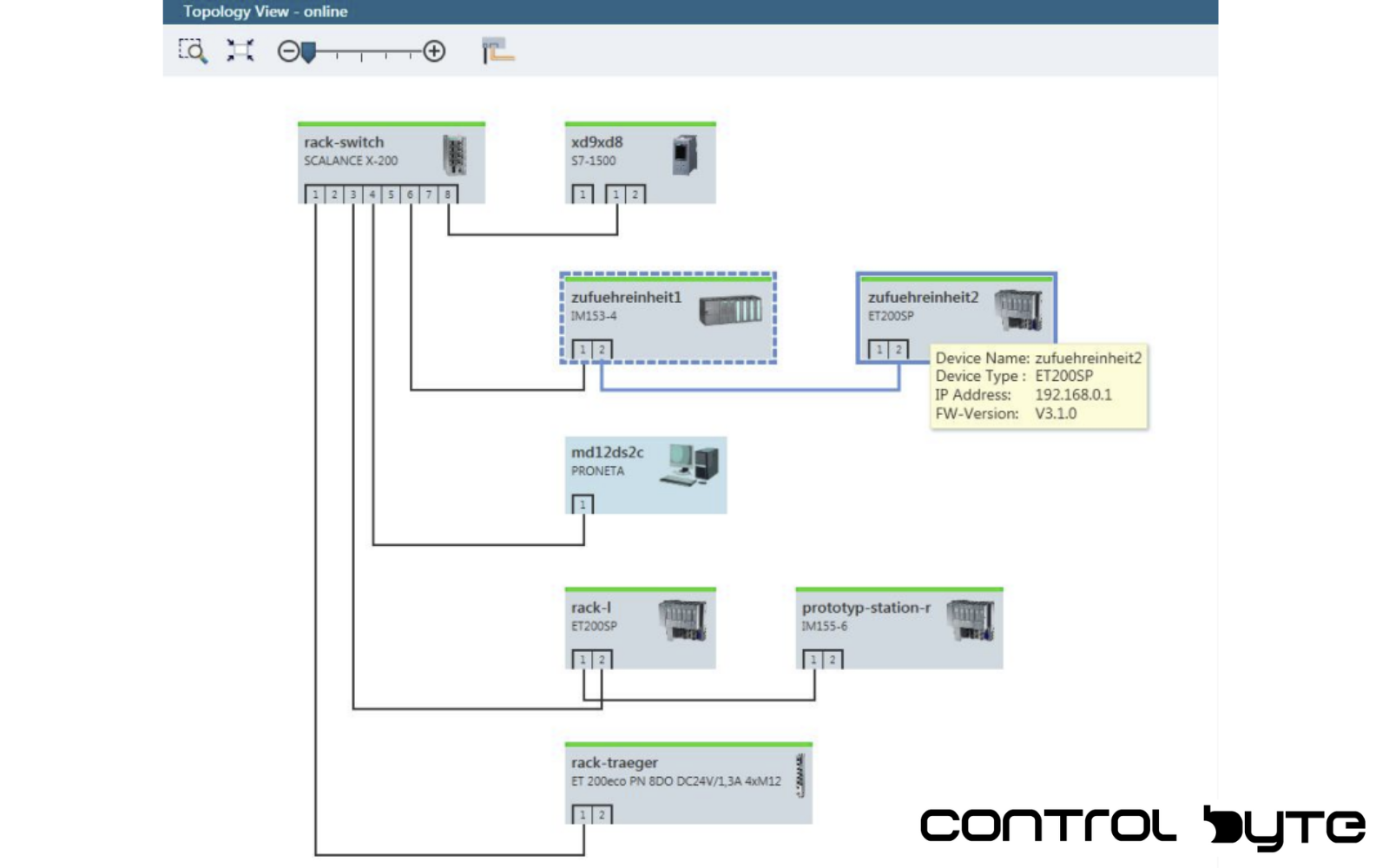
PRONETA
A tool for automatic device detection, I/O testing, and performance monitoring.
LLDP Protocol
Allows automatic network topology mapping, simplifying diagnostics and management.
TIA Portal - Diagnostic Features
TIA Portal offers advanced diagnostic features for easy network monitoring and management. Users can dynamically map network topology, diagnose devices in real time, and quickly locate and resolve issues. The tool supports LLDP for automatic device detection and network structure analysis. Process data monitoring further simplifies the identification of I/O errors. An intuitive interface and integration with tools like PRONETA make diagnostics fast, accurate, and cost-effective. TIA Portal is an indispensable support for managing modern automation systems.
PROFINET IO Applications: Industries and Use Cases
PROFINET is used in:
- Production Automation: Precise synchronization of machines and devices.
- Motion Control: Enabled by IRT mode.
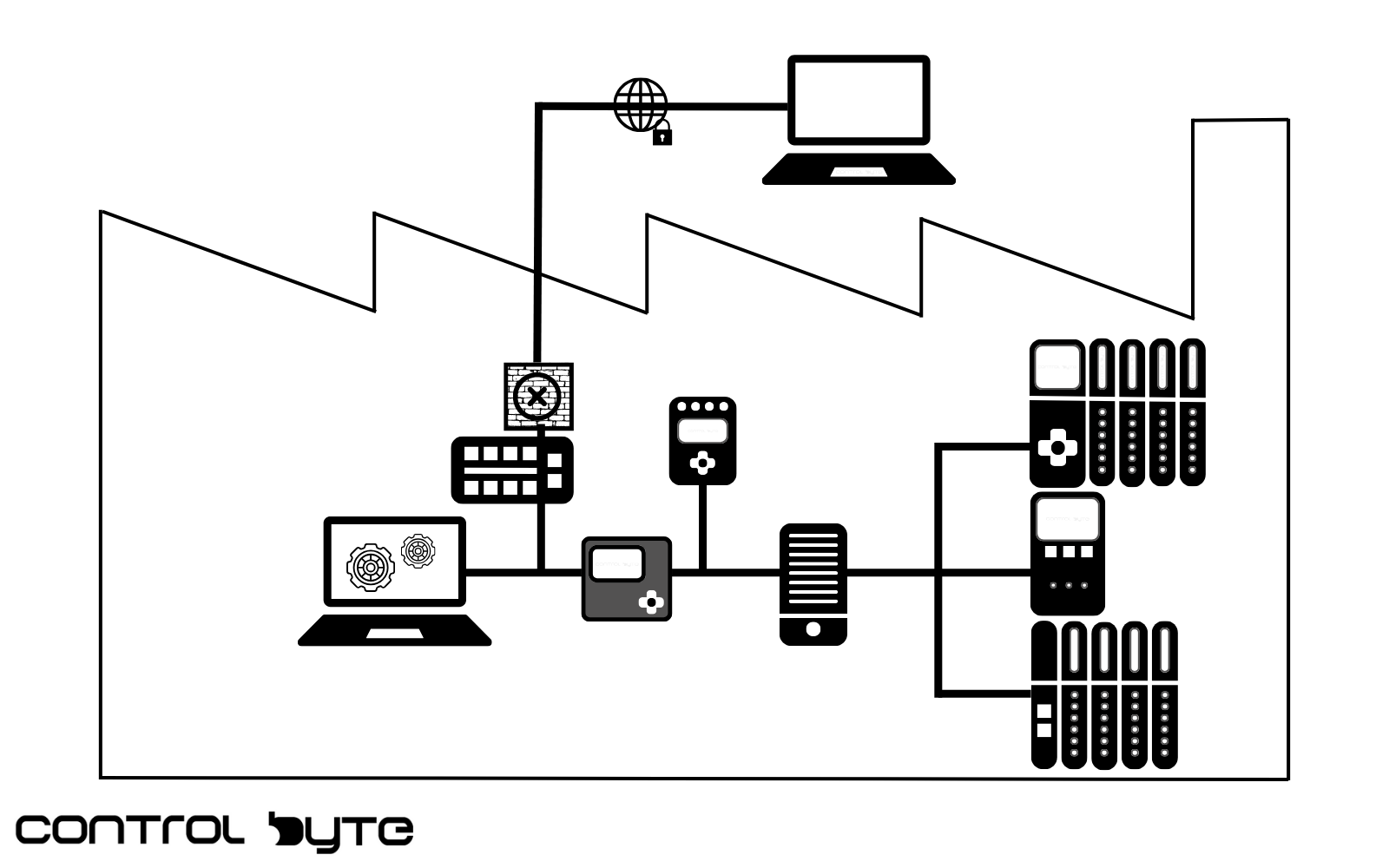
- IT and OT Integration: Facilitating smooth data exchange between production processes and management systems.
The Perfect Foundation for Industrial Automation
PROFINET IO harmoniously combines Ethernet’s flexibility with the reliability and resilience required in industrial environments. With real-time operation, durability in harsh conditions, and IT integration capabilities, it is a key component of modern automation systems. Its use not only boosts efficiency and reduces downtime but also paves the way for process digitalization, offering better control, precision, and readiness for Industry 4.0 challenges. Choosing PROFINET IO is an investment in the future and technological advancement of your facility.
Practical Examples of PROFINET IO Configuration - How to Implement It in Your Plant
Configuring PROFINET Devices
A key step in implementation is correctly configuring IO devices. Assigning IP addresses, device names, and identification numbers enables easy network recognition. Examples include:
- PLC Controllers: Configuring communication between PLCs and field devices using PROFINET IO.
- Drives: Integrating drives like Lenze i550 with control systems through parameter channels.
Implementing Redundancy and Topology Management
To ensure network reliability, a ring structure with redundancy mechanisms is recommended. This setup reroutes data automatically in case of device or cable failure.
Configuration Tools
- PRONETA: Simplifies I/O testing and device diagnostics.
- STEP 7 (TIA Portal): Siemens PLC programming software for seamless integration with PROFINET devices.
How to Configure PROFINET Communication in TIA Portal
The implementation of PROFINET in a Siemens project follows the same steps every time:
- Install the GSDML file of third-party devices (Options - Manage general station description files). Siemens devices are already in the hardware catalog.
- Add the devices in the Network view and drag a connection from each IO device to the PLC's PROFINET interface to assign the IO controller.
- Set the IP addresses and device names in the properties of each PROFINET interface.
- Check the cycle time (update time) for each IO device. The default values are fine for most applications.
- Assign the device names online with the "Assign device name" function, or use PRONETA. Without this step the controller cannot find the device.
- Compile and download the hardware configuration, then check the diagnostics: a green status in the online view means the device is exchanging data.
For drives, the PROFIdrive profile defines how setpoints and status words are exchanged over PROFINET; we described it in detail in the PROFIdrive standard and the PROFINET network.
PROFINET and OPC UA, PROFIsafe and TSN
PROFINET is not the only protocol in a modern plant, and it works together with other standards:
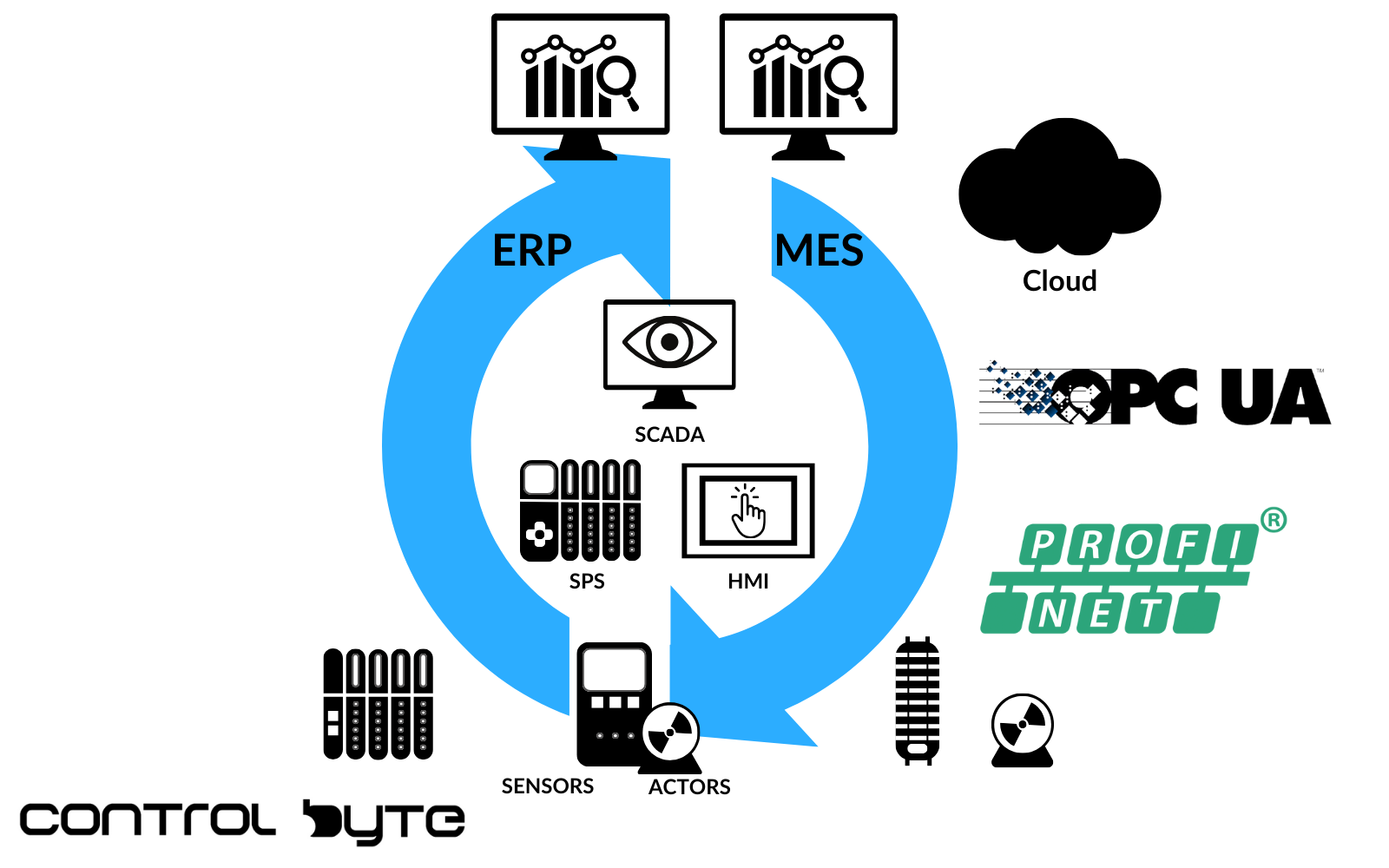
- OPC UA is used for vertical communication: PLC data to SCADA, MES, cloud and IIoT systems. PROFINET handles fast cyclic IO data at the field level. Many S7-1500 PLCs run both at the same time on the same Ethernet interface.
- PROFIsafe is a safety profile that transmits safety-related signals (emergency stops, light curtains) over the same PROFINET network, so no separate safety wiring is needed between the safety PLC and remote safety I/O.
- PROFINET over TSN (Time-Sensitive Networking) has been specified by PI to bring deterministic communication to standard IEEE Ethernet mechanisms in the future.
If you want to configure PROFINET, Modbus TCP and OPC UA in practice, take a look at our Modbus, PROFINET and OPC UA communication training. You can also compare PROFINET with the simpler Modbus protocol.
Benefits of Implementing PROFINET IO in Modern Industrial Facilities
Increased Efficiency and Productivity
Real-time data transfer eliminates downtime and enhances machine productivity. Process synchronization enables more precise control.
Cost Reduction
- Reduced Cabling: Leverages existing Ethernet infrastructure.
- Ease of Configuration and Diagnostics: Tools like PRONETA minimize system setup time and costs.
Future-Readiness
PROFINET supports technologies like Industry 4.0 and the Internet of Things (IoT), making it essential for digital transformation in production facilities.
PROFINET - Frequently Asked Questions
Is PROFINET the same as Ethernet?
No. PROFINET uses standard Ethernet hardware (100 Mbit/s, RJ45 or M12 connectors, switches), but it adds its own real-time communication protocol, device model, diagnostics and installation rules. Office Ethernet devices can share the network, but they do not speak PROFINET.
Can PROFINET and Ethernet be on the same switch?
Yes, PROFINET RT and standard TCP/IP traffic can share a network. In practice, use industrial managed switches that support PROFINET and prioritize RT frames, and keep heavy IT traffic away from the machine network. IRT requires switches that support IRT.
How many devices can be connected to PROFINET?
The protocol itself does not set a small limit; the limit comes from the IO controller. A compact PLC such as the S7-1200 supports a limited number of IO devices, while larger S7-1500 CPUs support many more. Always check the technical data of the specific CPU.
What is PROFINET RT?
PROFINET RT (Real-Time) is the standard communication class for cyclic IO data, with typical update times in the millisecond range. It is sufficient for most factory automation applications; IRT is used when motion control needs microsecond-level synchronization.
Conclusion: Why PROFINET IO Is the Future of Industrial Automation
PROFINET IO is not just advanced communication technology but the foundation of modern manufacturing. Its real-time capabilities, resilience in industrial environments, and integration with IT systems make it the ideal solution for any company striving for enhanced efficiency, flexibility, and reliability.